Playing Bass
How I taught myself to love the bass

I started out on bass. When I was 15, my music teacher dad brought home a cheap Fender Precision (P-bass) copy from school made by a company called Mako that only had three strings. It was missing the g-string tuner so 3 strings was all it was going to have, at least until we found a replacement. My first “band” was called C.O.W. which was short for “Crazy Old Women.” We didn’t really do much besides get together in our drummer’s finished attic (we were an attic band not a garage band) on weekends and try to write songs we’d never really play, but it was fun. My friend Andy had an acoustic guitar already, so given that a bass was what I brought to the table, I became the bass player. But my drummer friend Aaron, someone I’d continue to play with for many years after that, had this little amp with a 4 inch speaker in it that had a distortion knob. It was probably made for guitars but I figured I couldn’t do any harm plugging my bass into it. Dad showed me what power chords were, and after plugging the bass into that little amp and cranking up the distortion knob, I learned about the magic guitar players took for granted. I learned the chord outlines for songs like ‘Basket Case’ by Green Day and ‘About A Girl’ by Nirvana.
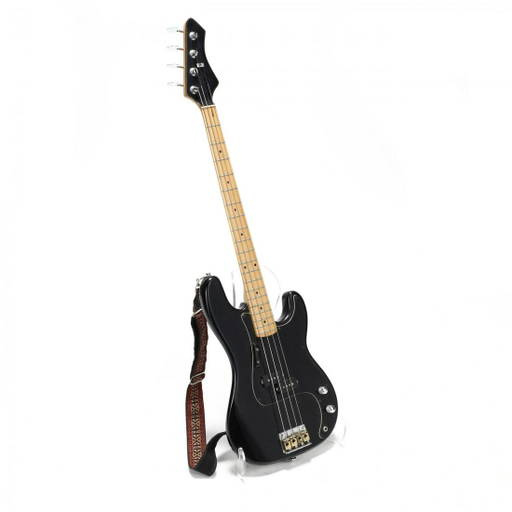
But it used to be something of a punishment having to play bass, in part because I always knew guitar would be my main instrument, I just hadn’t gotten one yet. From what I could see, in a rock context that wasn’t the Red Hot Chili Peppers, the bass player was often the most forgettable member of the band, the one doing something everyone knows is important, but not quite as fun to listen to or as interesting as drums, guitar, or lead vocals. In the 50s and 60s, bands would sometimes delegate bass duties to the person who was the worst at guitar before artists like Jack Bruce, Noel Redding, Phil Lynott, and Paul McCartney would elevate rock bass playing to a fine art. But I didn’t know about any of that yet.
I felt this way until I heard Sting and the Police my senior year of high school. The idea of a lead singer also playing bass was one I hadn’t really arrived at yet. I wound up becoming a singer the same way I had become the de facto bass player in my first band; either the singer we’d had planned for never showed up, or nobody else was willing to do it. I’d heard The Beatles, but I didn’t have the musical sophistication to really appreciate what they were doing, nor did I have any idea who was doing what in the band, much less understand how important and incredible Paul McCartney’s playing was. Sting’s basslines were a bonus. I’d come for the great songs and Andy Summers’ phenomenal guitar playing and wound up keying in on what Sting was doing as I grew a deeper appreciation for the incredible things he was writing both on the Police records and his own Ten Summoner’s Tales album. Hearing Sting made me realize that the songs I THOUGHT I was writing were really just collections of riffs with words over the top. I’d heard great writers before like James Taylor, Kurt Cobain, and others, but I didn’t yet have the musical sense to put it together and until then, I wasn’t ready for that lesson I guess. And this was a guy who was writing the songs, but also playing the bass on them rather than guitar or piano.
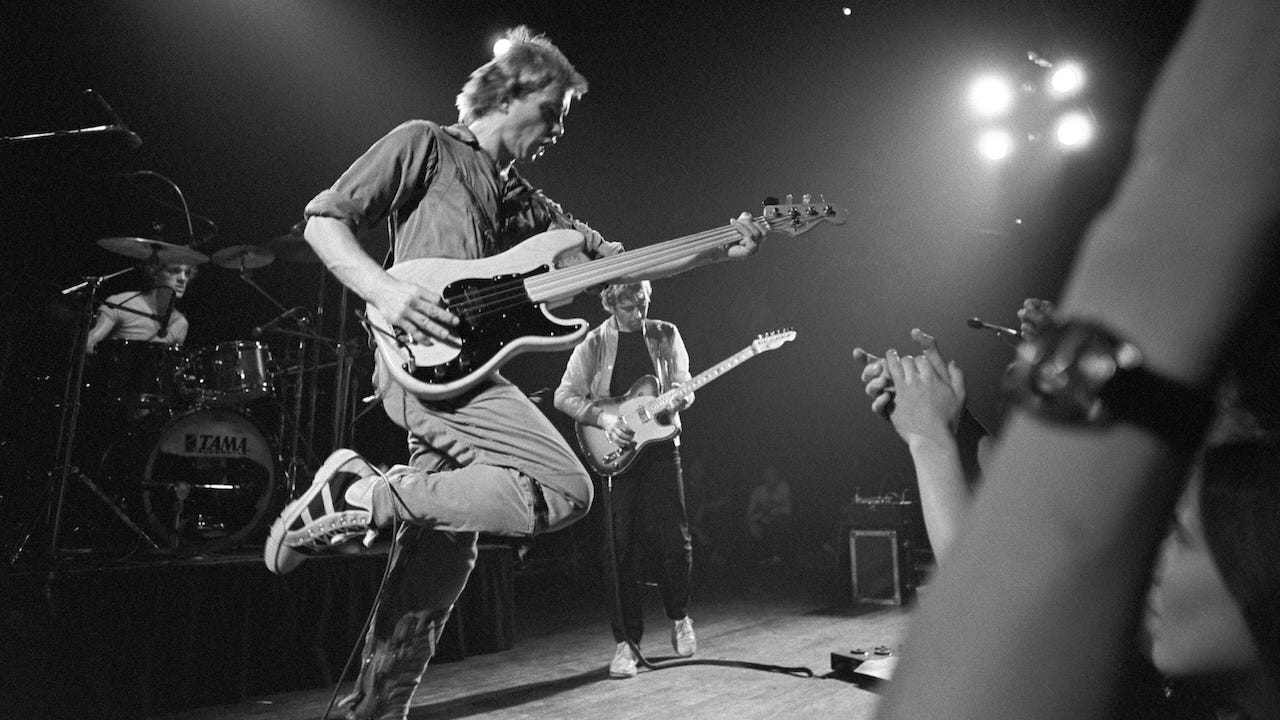
When I got to college, I rounded up two guitar playing roommates and we started a band. I could have insisted on one of them taking up the bass, and I’m sure one of them would have and done a great job at it because they were both excellent guitar players. But in the context of our band, MU120 (the name in the college coursebook given to the “course” every music major had to sign up for that required them to attend several college ensemble concerts a semester and one that we hoped would fool gullible music majors into attending our shows down at the local college bars) I was happy to play bass. We’d do unplugged shows where I’d swipe one of the upright basses the music education majors would learn on, put it in the back of my roommate’s station wagon, and drive it downtown to a coffee shop called The Brown Bean for the gig. Upright bass is a challenging instrument and I had the blisters to prove it. By my standards now, those songs now seem extremely formative, but there’s still a certain something to them. I was on the path and you can hear the first steps of it. You can hear some of it in this early-2000s footage of us playing our song ‘Watching The People Walk By’ :
Eventually I’d find the great “lead bassist” Jaco Pastorious, key in to the great basslines I’d been hearing on Prince’s records for years but had never really paid much mind to, and even finally started listening to some of the great basslines other rock bassists like Krist Novoselic of Nirvana, Marilyn Manson’s Twiggy Ramirez, and the incomparable Eric Avery from Jane’s Addiction, who is, in my opinion, one of the best rock bassists ever because his note choices are simply better than almost everyone else’s, were playing in my plain view for a long time. I was hearing but I wasn’t listening.
On an episode of Marc Maron’s podcast, John Fogerty talked about his mixing process and what I gleaned from that was that the most important parts of most mixes are the vocals, bass, and drums. If you were to take almost any popular song in history and scrape off everything that wasn’t vocals, bass, and drums, it would probably still stand on its own, people could still dance to it, and it would still be interesting. If you had the right bass player, you might even be able to get rid of the drums and pair it down to just vocals and bass. Guitar and piano chords are important, but the bass is what determines what the chords actually are. It’s only an F chord if the bass player plays an F, but if they don’t, the harmony is up for grabs.
I’ve toured as a bass player, had drummers who were never ones to mince words tell other people I was a really good bass player, which made me proud, and have come to really enjoy playing bass these days. I never aimed to be a great bass player and feel like I stumbled on it by instinct, but I have no qualms about saying that I’m really good at it. When I make songs in the studio, bass is usually one of the last instrumental parts I put down because it’s arguably the most fun to play now. A rhythm guitar part is what it is, but a bass line? A great bass line is what makes or breaks a lot of three chord rock and country songs. It’s like writing another melody, which is a reason why even classical composers went to great lengths to write compelling basslines in their music.
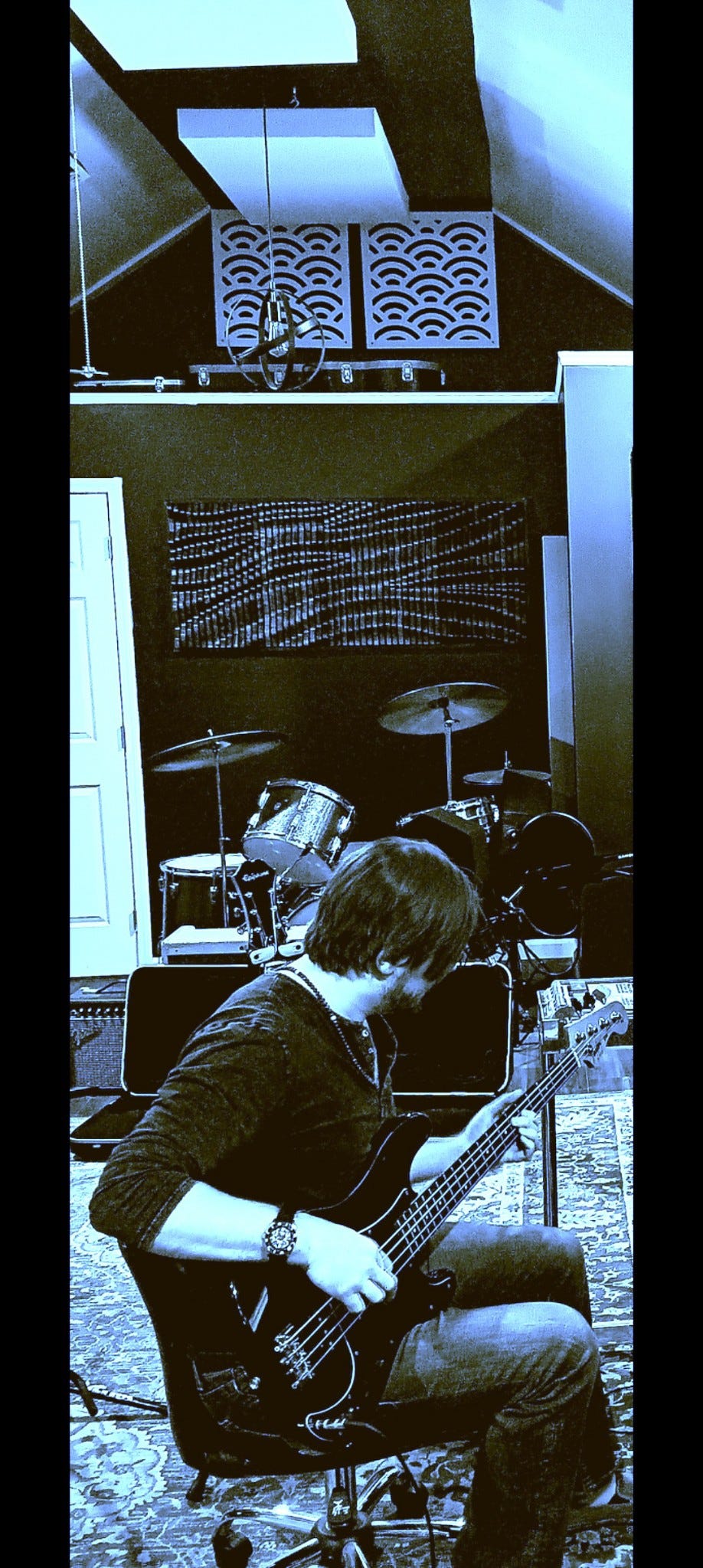
I think part of my about-face regarding playing bass is that especially as I mature as a musician and now have kids, I realize that being a bass player is really about giving. It means being comfortable with letting others carry the spotlight while you do what is arguably the second most important work on the stage after the lead singer. Being a bass player means you’ll probably get a lot of gigs because it’s often a thankless job a lot of people take for granted, other musicians included. A lot of people who play music do so because of the things they think it will give them, things like fame, money, and sex. But playing bass is almost playing a supporting role to the folks with those things in mind simply because there’s an element of zen to being a great bass player. There are tropes about what kinds of people gravitate towards certain instruments and I think that a lot of them are pretty true for the most part. Bass players are usually the Buddhists of the band most of the time in my experience, the ones who have successfully killed their egos in service of the groove and the whole that is whatever musical situation they happen to find themselves in. But when there are people on the dance floor doing their thing, as a bass player, there’s no ego in saying “I did that!” Because you did. The drums are great, and they’re part of it, but there’s a reason why humans hold their ears when harsh treble frequencies are in the vicinity, yet seek out waves of low end that vibrate us at a level many of us aren’t even conscious of. We just know it feels good.
I’ll always be a guitar player first and foremost, but because I enjoy the bass so much, and because I never really got to play drums like I’d wanted to as a kid, I play them through my guitar. And man, is it FUN!
Till the next trip…
AJD
I started on bass, too, also wanting to be Sting. Hearing Jaco made me put the instrument down.
Interesting perspective. Also, I really like the reggae riff you guys pulled off.
C.O.W...cracked me up!